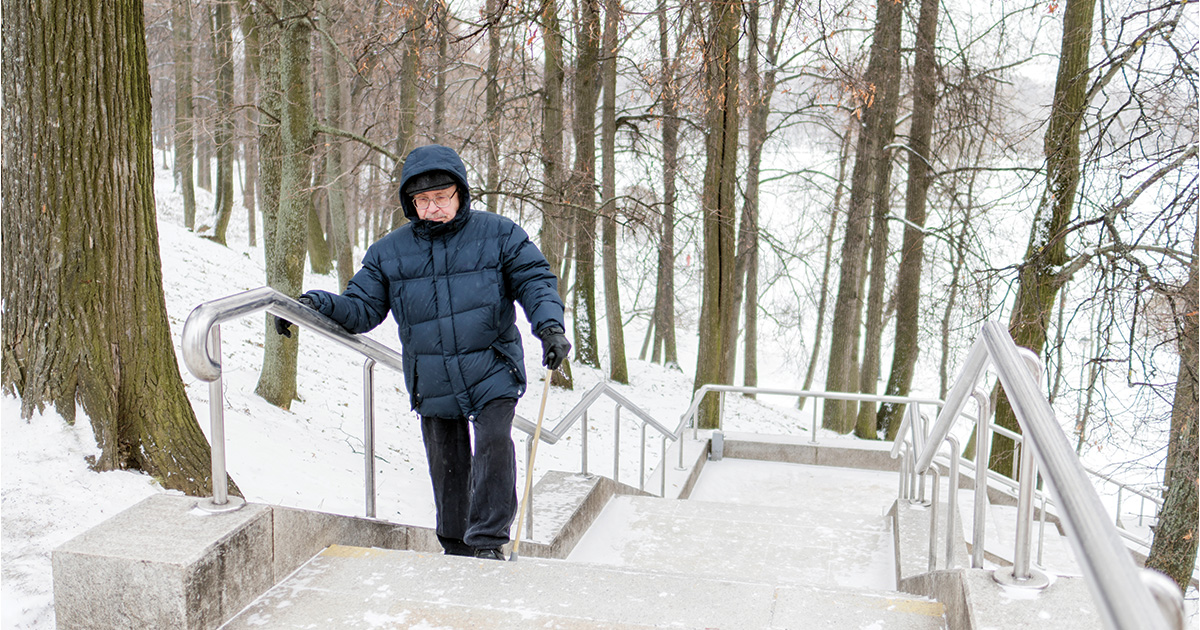
The arrival of snow and ice makes fall prevention more critical than ever, especially for adults 65 and older, for whom falls remain a leading health concern. What starts as a simple slip on ice can lead to serious fractures and health complications. Beyond the physical injury, falls often create a “fear cycle.”
“Once a person falls, they become fearful of falling again,” says physical therapist Trude Rodli-Culver at McLaren Greater Lansing Rehabilitation and Physical Therapy. “They reduce their activity out of worry, which actually makes it more likely they will fall again.”
The “Fear of Falling” by the Numbers
- 70% of people who have fallen fear doing so again.
- 40% of people who have never fallen still share this fear.
- The result: Avoidance of walking, shopping, and social events, leading to a lower quality of life.
3 Pillars of Fall Prevention
Most falls are caused by a mix of intrinsic factors (muscle mass, vision, blood pressure) and extrinsic factors (home design, footwear). Here is how to manage both.
-
Stay Active to Stay Balanced
Keeping your body moving improves bone density and keeps your joints flexible.
- Strength and balance: Use weights or resistance bands to build muscle.
- Start small: Rodli-Culver suggests starting with just 10 to 15 minutes of exercise. See how you feel the next day before increasing intensity. Don’t forget to rest.
- Safety first: Perform balance exercises near a wall or handrail, so you have something to grab onto.
-
Hazard-Proof Your Home
You can lower your risk of falling with a few simple changes to your surroundings.
- Clear a path: Keep floors free of pet toys, shoes, and clutter.
- Check your rugs: Ensure that all rugs are non-slip and lie flat without bunching.
- Supportive footwear: Wear shoes with low heels and good traction even when inside the house. When heading outdoors, wear winter boots with good nonskid soles. Removable traction cleats can also be used at the bottom of shoes to prevent slips when icy conditions are present.
- Add additional support: Install handrails in high-risk areas like bathrooms and stairways. Carry a flashlight so you can see better.
-
Manage Your Health Proactively
- Nutrition: Eat a diet rich in nutrients that support bone and muscle strength.
- Vision & Hearing: Schedule regular checkups to make sure that your vision and hearing are in tiptop shape or that you have the right prescription and devices needed.
- Medication review: Some medications cause dizziness or blurred vision. Discuss side effects and dosages with your doctor or pharmacist.
“Don’t let the fear of falling stop you from living your life,” said Rodli-Culver." By staying active and making small adjustments to your home, you can maintain your mobility and independence for years to come.
Physical therapy can help you improve balance and stability, and gain confidence. McLaren Greater Lansing Rehabilitation can perform a comprehensive evaluation, assessing your strength, flexibility, and mobility, working with you towards individualized goals.
If you think physical therapy may help, speak with your doctor about a referral. To learn more about rehabilitation services, including physical and occupational therapies at McLaren, click here.
To read more articles on health and wellness, click here.