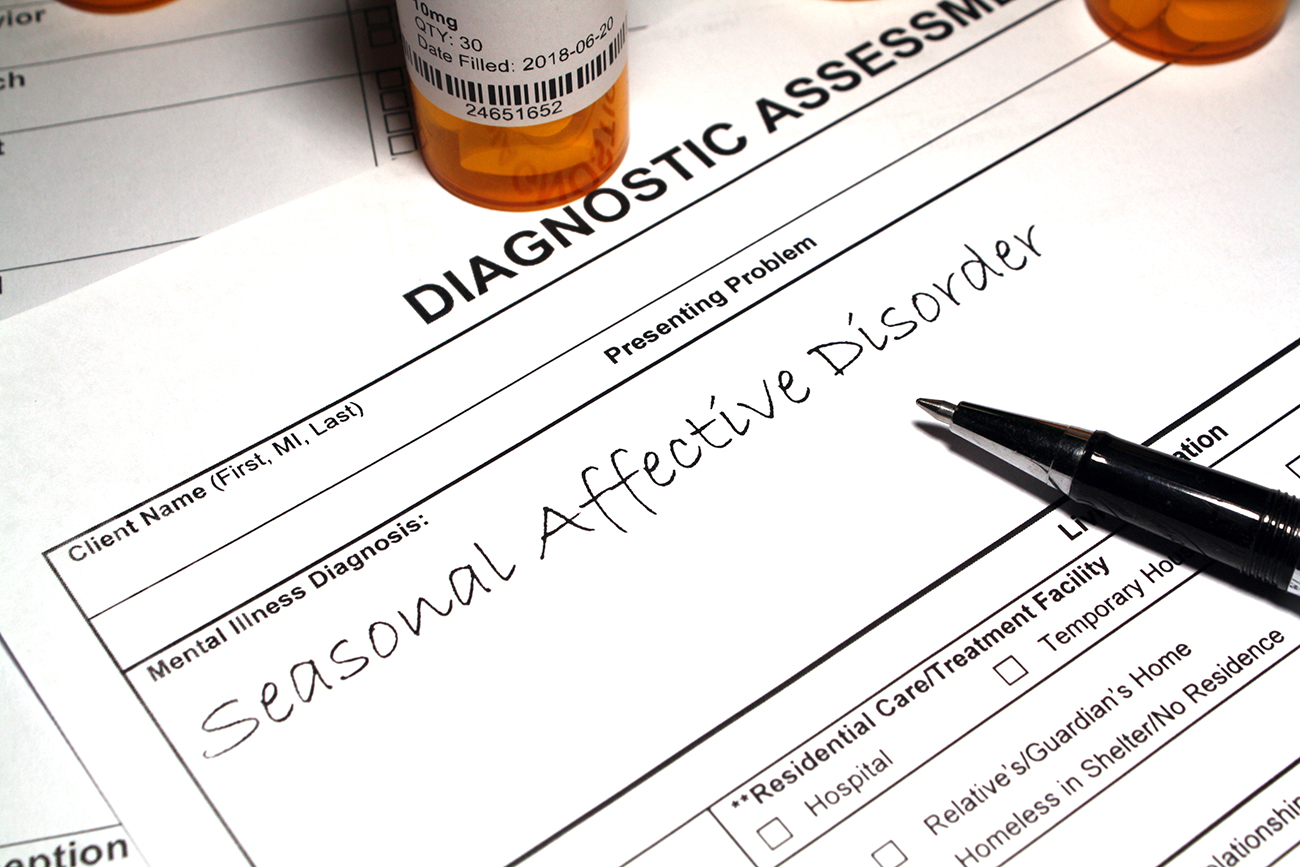
Seasonal Affective Disorder (SAD): Symptoms, Causes, and Treatment Options
As the days grow shorter and temperatures drop, it’s common for energy and mood to shift. For some people, however, these changes go beyond the winter blues. This may be Seasonal Affective Disorder (SAD), also known as seasonal depression.
SAD is a type of depression that follows a seasonal pattern, most often starting with the fall and winter. The good news is that SAD is very treatable, and many people feel better with the right help.
What Is Seasonal Affective Disorder?
Seasonal Affective Disorder is a type of depression linked to changes in seasons. Most cases occur during the fall and winter when daylight hours are reduced, though a smaller number of people experience symptoms in the spring or summer.
Less sunlight can affect the body’s internal clock and brain chemicals that regulate mood, sleep, and energy levels. This can make it harder to feel motivated, focused, or emotionally balanced during certain times of the year.
Symptoms of Seasonal Affective Disorder
Symptoms of SAD often develop gradually and may return around the same time each year.
Common signs include:
- Feeling sad, down, or low most of the day
- Loss of interest in activities you used to enjoy
- Ongoing tiredness or low energy
- Sleeping more than usual
- Difficulty concentrating or making decisions
- Increased appetite, especially cravings for carbs or comfort foods
- Unintentional weight gain
- Feeling irritable, hopeless, or guilty
- Withdrawing from social activities
In less common cases of summer-pattern SAD, symptoms may include anxiety, restlessness, reduced appetite, and difficulty sleeping.
What Causes Seasonal Affective Disorder?
While the exact cause of SAD is not fully understood, several factors may contribute to it like:
- Reduced sunlight exposure, which disrupts the body’s sleep-wake cycle
- Changes in serotonin levels, a brain chemical that affects mood
- Changes in melatonin, which controls sleep and energy
- Genetics or biology, which may make some people more sensitive to seasonal changes.
Together, these changes can make it harder for the body and brain to regulate mood during certain seasons.
Treatment Options for Seasonal Affective Disorder
Seasonal Affective Disorder is highly treatable, and many people experience significant improvement with one of the following treatment options:
- Light Therapy: Light therapy uses a medical-grade light box that mimics natural daylight. It helps reset the body’s internal clock and can improve mood and energy. Light therapy is usually done daily, often in the morning, during fall and winter.
- Cognitive Behavioral Therapy (CBT): CBT is a proven type of talk therapy that helps people recognize and change negative thought patterns. It has been shown to reduce symptoms and lower the chance of symptoms returning each year.
- Medication: Antidepressant medication may be helpful for moderate to severe seasonal depression or when other treatments are not enough. A health care provider can help decide if medication is appropriate.
Lifestyle Strategies: Daily habits can support recovery and improve results, including:
- Spending time outdoors when possible
- Keeping regular sleep and wake times
- Staying physically active
- Managing stress and connecting with friends and family
When to Seek Professional Help for Seasonal Depression
If low mood, fatigue, or changes in sleep and appetite occur around the same time each year and interfere with your daily life, it’s important to talk with a health care professional. A primary care provider can evaluate symptoms, rule out other conditions, and recommend appropriate treatment.
Early treatment for SAD can improve your quality of life and prevent symptoms from getting worse over time.
Frequently Asked Questions About Seasonal Affective Disorder
Is Seasonal Affective Disorder a real medical condition?
Yes. Seasonal Affective Disorder (SAD) is a recognized form of depression. A health care professional can diagnose it and recommend effective treatment.
How is SAD different from the winter blues?
The winter blues are usually mild and short-lived. SAD causes stronger symptoms that last longer and interfere with daily life, work, school, or relationships.
How long does Seasonal Affective Disorder last?
Symptoms often begin in the fall or early winter and improve in the spring. With treatment, many people feel better much earlier in the season.
Does light therapy really work for SAD?
Yes. Light therapy is one of the most effective treatments for winter-pattern SAD when it is used consistently.
Who is at higher risk for Seasonal Affective Disorder?
SAD is more common in people who live farther from the equator, women, people with a personal or family history of depression, and those with other mood disorders.
Can children or teens experience Seasonal Affective Disorder?
Yes. Children and teens can experience SAD, although symptoms may look different. A pediatrician or mental health provider can help evaluate concerns.