After decades of silence, the “information explosion” around menopause is finally here. What was once a taboo topic, hot flashes, mood swings, and sleep disruptions are being talked about more regularly.
But there is a “silent” change happening that doesn't always make the headlines: your bone density. Because bone loss doesn’t have immediate symptoms, it’s often overlooked until a fracture occurs.
Here are four proactive steps you can take during perimenopause to ensure that your foundation stays solid for life.
Prioritize Early Screening
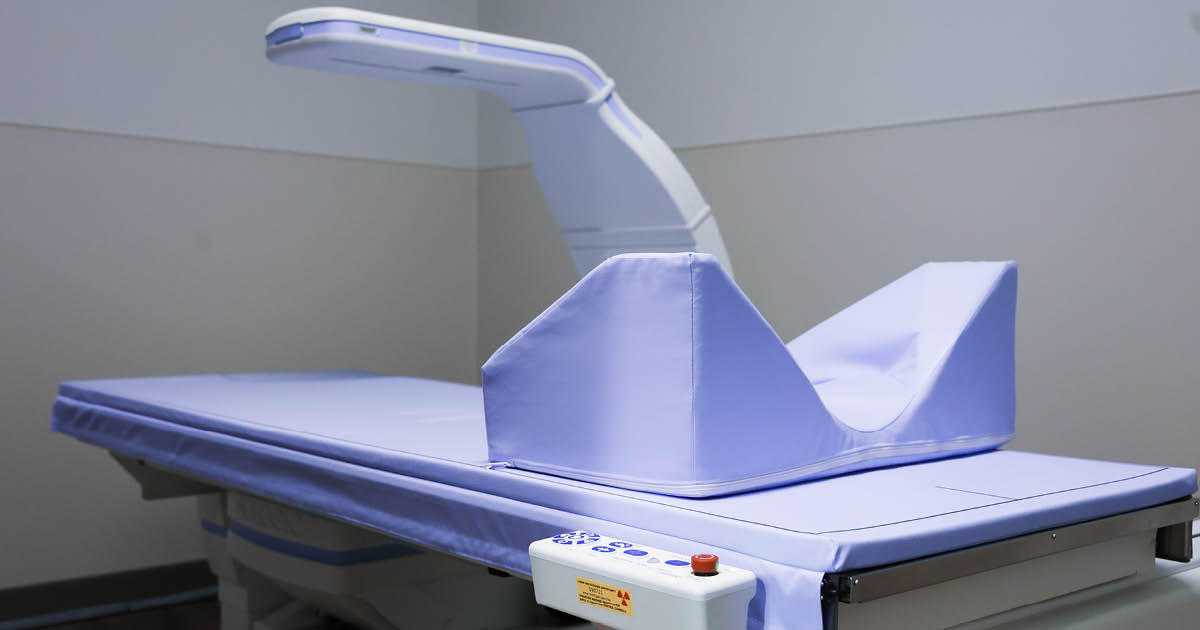
A DEXA scan is the “gold standard” for bone health. It’s a non-invasive, painless test that tells you if your bone density is improving, worsening, or staying the same.
“A DEXA scan detects weak or brittle bones and predicts the odds of having a future fracture,” said Dr. Aubrey Chartier, family medicine physician at Okemos Community Medical Center.
While general screening often starts at 65, those with a family history of osteoporosis or bone breaks should consider screening as early as age 50.
Move with Purpose
Engage in exercises that put stress on your bones, like walking, dancing, stair climbing, jogging, and resistance training. It’s also important to add exercises or stretches that improve balance, such as yoga, tai chi, and standing on one leg.
Fuel with the Big Three
Your bones require three specific nutrients to maintain their structure:
- Calcium: Found in yogurt, leafy greens, and nuts.
- Vitamin D: Essential for calcium absorption.
- Protein: The literal building block of bone tissue.
“It’s important to build foods into your diet that will improve your calcium and vitamin D intake,” said Dr. Chartier. “These nutrients work together to form, strengthen, and repair bone tissue.”
Manage Risk Factors
There are some non-modifiable risk factors that can put you at an increased risk for developing osteoporosis, such as age, gender, race, and family history. However, there are also modifiable risk factors that increase your risk of developing osteoporosis, including the following:
- Body size/body weight: People who are underweight or are small-boned are more susceptible.
- Smoking: Smoking damages bone cells and reduces calcium absorption.
- Excessive alcohol consumption: Heavy drinking can interfere with bone metabolism.
While there typically are no symptoms in the early stages of bone loss. Once bones are weakened from estrogen loss during menopause, symptoms can include back pain, stooped posture, loss of height over time, and bones that break easily.
“Don’t wait until a fracture or break,” said Dr. Chartier. “Early detection can help you and your doctor create a plan for further prevention.”
To schedule a bone density screening, call the MSU Health Care at McLaren Greater Lansing Outpatient Imaging Center at (517) 975-8930.
To read more articles on health and wellness, click here.